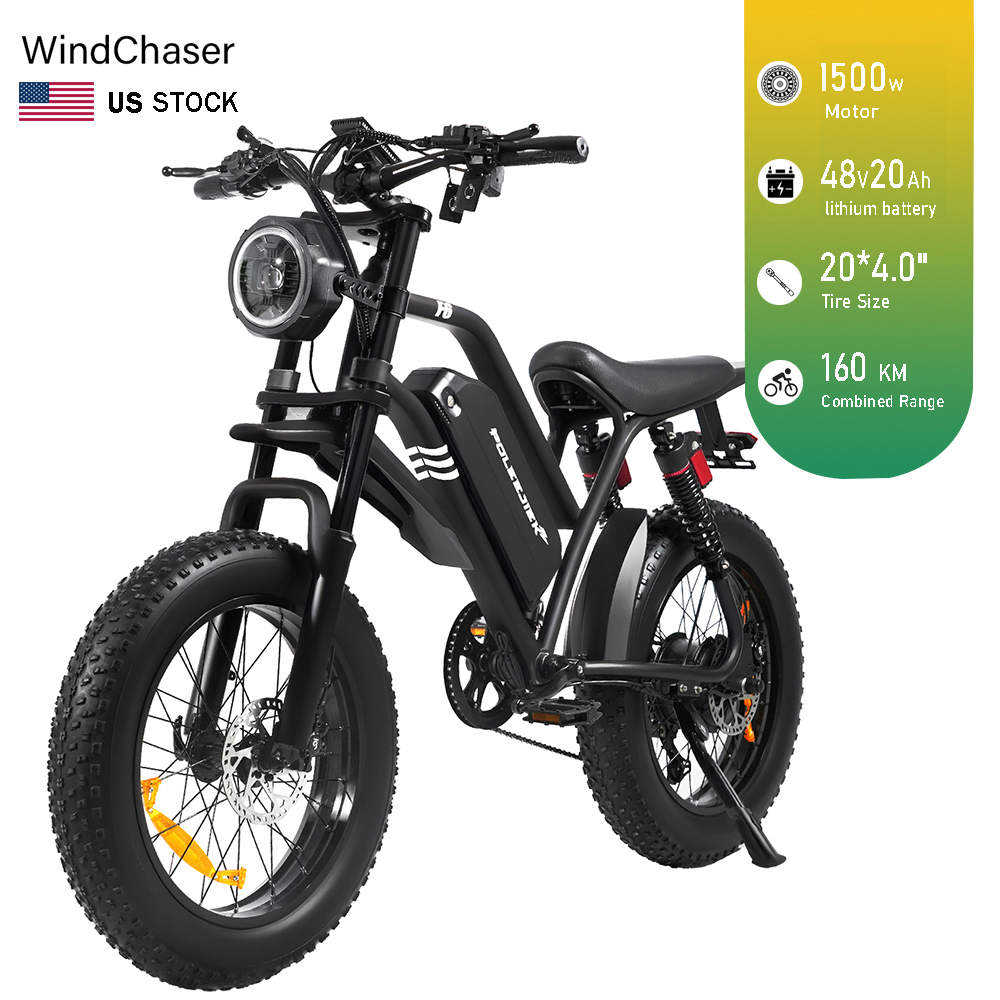
In the bustling streets of American cities, where traffic jams steal hours from our days and gas prices climb relentlessly, a quiet revolution is underway. Electric bicycles—e-bikes—are no longer a novelty for weekend warriors. They’re poised to redefine daily commutes, blending the freedom of cycling with effortless power. By 2026, experts predict e-bikes will dominate urban mobility, outpacing cars for short trips and reshaping how millions get to work, school, or the store. With market growth exploding and infrastructure catching up, here’s why e-bikes will claim the crown as America’s go-to commuter in just one year.
The Explosive Market Growth: Numbers Don’t Lie
The U.S. e-bike market isn’t just growing—it’s surging. Valued at $1.14 billion in 2025, it’s projected to hit $2.56 billion by 2034, with a compound annual growth rate (CAGR) of 9.39% starting in 2026. Another forecast pegs the North American market at $4.11 billion in 2025, climbing to $7.54 billion by 2029 at a 16.41% CAGR. Sales are already outpacing traditional bikes, with over 700,000 units expected annually by 2025.
Why the boom? Urbanization plays a huge role: 82.76% of Americans will live in cities by 2025, where 60% of trips are under five miles—perfect e-bike territory. Post-pandemic shifts amplified this, as riders ditched crowded subways for personal, healthy options. By 2026, e-bikes could capture 30% of U.S. commutes, thanks to falling prices (now under $1,300 for premium models) and innovations like solid-state batteries promising 30% longer range. This isn’t hype—it’s a market ready to flip the script on American transport.
Economic Edge: Save Big, Ride Smart
Money talks, and e-bikes are whispering sweet savings. The average American spends $2,635 yearly on gas alone; e-bike charging? Just $21. Factor in no insurance, minimal maintenance, and free parking (just lock it to a rack), and commuters save thousands annually. For a 10-mile daily round-trip, an e-bike pays for itself in under a year compared to driving.
Rising fuel costs—up 1.3% in early 2024—make cars less appealing. Government rebates sweeten the deal: California’s E-Bike Incentive Project offers up to $2,000 vouchers for low-income buyers, while 35 states now have e-bike-friendly laws. In 2026, expect more tax credits under federal green initiatives, dropping entry barriers. For budget-conscious millennials and Gen Z—key demographics—the math is irresistible: e-bikes aren’t a luxury; they’re a lifeline.
Beat the Gridlock: Speed, Convenience, and Freedom
Picture this: You’re zipping past a sea of stalled cars on a dedicated bike lane, arriving fresh and on time. E-bikes hit 20-28 mph with pedal-assist, slashing commute times by 30-50% in cities like New York or Chicago. No sweat, no showers needed—just pure efficiency.
America’s infrastructure is evolving fast: Bike lane investments jumped 48% since 2022, with over 60% of urban planners prioritizing cycling. Cities like Portland and San Francisco are rolling out protected paths and e-bike docking stations. E-bikes’ nimble size means easy storage in apartments or offices, dodging $20 parking fees. For last-mile connectivity—hop off the train, grab your e-bike, done. In 2026, as shared e-bike fleets expand via apps like Uber or Lyft, this seamless integration will make cars feel obsolete for urban hops.
Green Power: Cutting Emissions One Pedal at a Time
Climate anxiety is real, and e-bikes deliver real relief. They emit zero tailpipe pollution—slashing a car’s 4.6 metric tons of annual CO2 by up to 99% per trip. With 82% urban dwellers facing worsening air quality, e-bikes align with America’s net-zero push: Biden-era incentives and state rebates are funneling billions into sustainable transport.
By 2026, expect e-bikes to offset millions of car miles, easing gridlock’s environmental toll. Brands like Trek and Giant are going carbon-neutral, using recycled aluminum frames. Riders aren’t just commuting—they’re voting for cleaner skies.
Health Boost: Move More, Stress Less
Who says commuting can’t be a workout? E-bikes provide moderate cardio—burning 30% fewer calories than road bikes but enough for heart health—without joint strain. Studies show riders cover longer distances (up to 15 miles effortlessly), fighting sedentary lifestyles: Americans average 11.5 hours sitting daily.
Mental perks? Fresh air reduces stress, boosts mood, and fosters community—think waving to fellow riders. For seniors or those with mobility issues, e-bikes open doors to activity. In 2026, as wellness trends peak, e-bikes will be the ultimate hybrid: fun exercise disguised as transport.
Tech That Thrills: Smarter, Safer Rides
Gone are clunky batteries; 2026 brings GPS tracking, app-integrated anti-theft, and torque sensors for seamless assist. Models like the 2026 Giant Explore E+ boast 75 Nm motors and radar for blind-spot alerts. Hydraulic brakes and NFC unlocks make them commuter-proof.
Customization reigns: Fat tires for snow, folders for subways. With ranges hitting 100 miles, range anxiety vanishes. Tech-savvy Americans will flock to these gadgets-on-wheels.
Challenges? They’re Being Crushed
Sure, upfront costs hover at $1,000-$3,000, but rebates and used markets (via eBay or local shops) slash that. Theft worries? GPS and sturdy locks mitigate it. Regulations vary by class (Class 1-3), but 30+ states now embrace e-bikes on paths. By 2026, unified federal rules will smooth adoption.
The 2026 Horizon: E-Bikes Everywhere
Fast-forward to 2026: E-bikes flood bike shares, corporate fleets, and garages. Urban planners forecast 30% commuter adoption, fueled by $5+ gas and climate mandates. Cities like Minneapolis and Denver lead with rebate programs, proving scalability.
This isn’t a fad—it’s evolution. E-bikes solve America’s commute crisis: affordable, agile, and aligned with values.
Ready to Ride the Wave?
If you’re eyeing 2026’s shift, start now. Explore aluminum alloy frames for lightweight commutes or fat-tire models for all-weather grit—our site has them all, with free U.S. shipping and UL-certified batteries. Ditch the drive. Pedal into the future. Your wallet, health, and planet will thank you. What’s your first e-bike route? Share in the comments!